
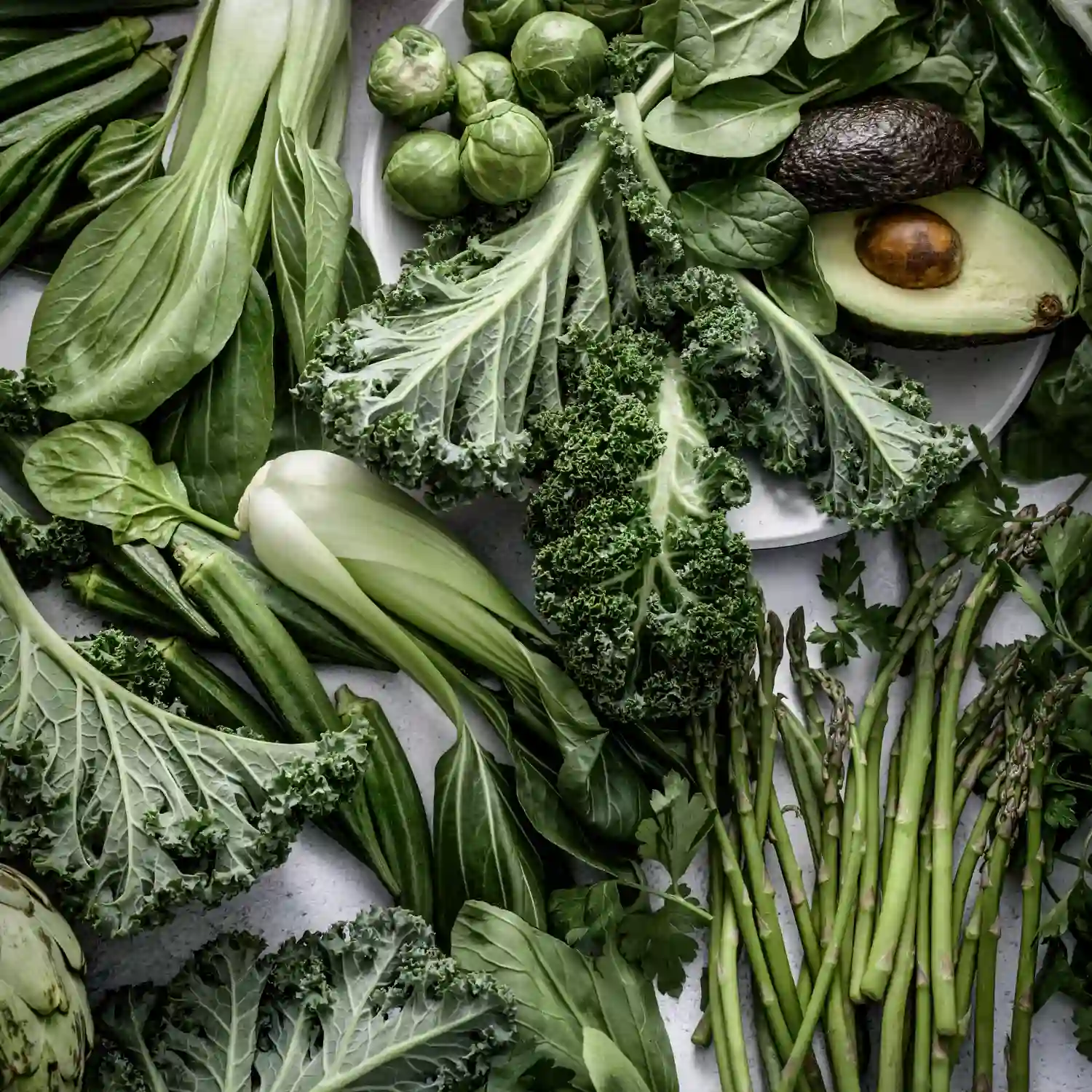
The raw vegan diet combines two distinct approaches to food: veganism and raw food eating. The result is a diet built entirely on uncooked, unprocessed plant foods.
No animal products. No heat above 48 degrees Celsius. Just fruit, vegetables, nuts, seeds, sprouted grains, and cold-pressed oils in their most natural form.
This approach sits at the intersection of the raw food diet, organic food benefits, and whole foods diet principles. If you are serious about eating closer to nature, this guide gives you everything you need to start confidently.
What the Raw Vegan Diet Includes
The raw vegan diet is broader than most people expect. There is genuine variety available when you understand the full range of foods on the table.
Fresh Fruits
Fruits form the caloric backbone of many raw vegan diets. They provide natural sugars, fibre, and a wide range of vitamins. Seasonal choices are best.
Vegetables and Leafy Greens
Raw vegetables deliver enzymes, minerals, and phytonutrients that cooking reduces. Leafy greens in particular are dense in calcium, iron, and folate.
Nuts and Seeds
Almonds, walnuts, pumpkin seeds, sunflower seeds, hemp seeds, and chia seeds provide protein, healthy fats, and essential minerals. Soaking them overnight improves digestibility.
Sprouted Grains and Legumes
Sprouting activates enzymes and increases nutrient availability. Sprouted lentils, chickpeas, and buckwheat are all compatible with a raw food diet.
Fermented Foods
Raw sauerkraut, kimchi, kefir made from nut milk, and kombucha support gut health. These are technically raw and align with whole foods diet values.
Cold-Pressed Oils and Natural Sweeteners
Olive oil, flaxseed oil, and coconut oil in their raw forms are widely used. Medjool dates, raw honey (for non-vegans), and maple syrup serve as natural sweeteners in moderation.
Key Nutrients to Plan For on a Raw Vegan Diet
Nutrition planning is not optional on a raw vegan diet. Several nutrients require deliberate attention.
Vitamin B12
There is no reliable plant source of B12. Supplementation is essential on a fully raw vegan diet. Get your blood levels tested at least once a year.
Proteing
Raw vegan protein sources include hemp seeds, sprouted legumes, pumpkin seeds, and leafy greens. Distribute them across your meals rather than relying on one source.
Calcium
Leafy greens, almonds, sesame seeds, and fortified plant milks provide calcium. Paleo nutrition research supports the idea that bone health depends on a broad mineral base, not calcium alone.
Omega-3 Fatty Acids
Flaxseeds, chia seeds, and walnuts are strong plant sources of omega-3. These support brain function, inflammation management, and heart health.
How the Raw Vegan Diet Connects to Organic Food Benefits
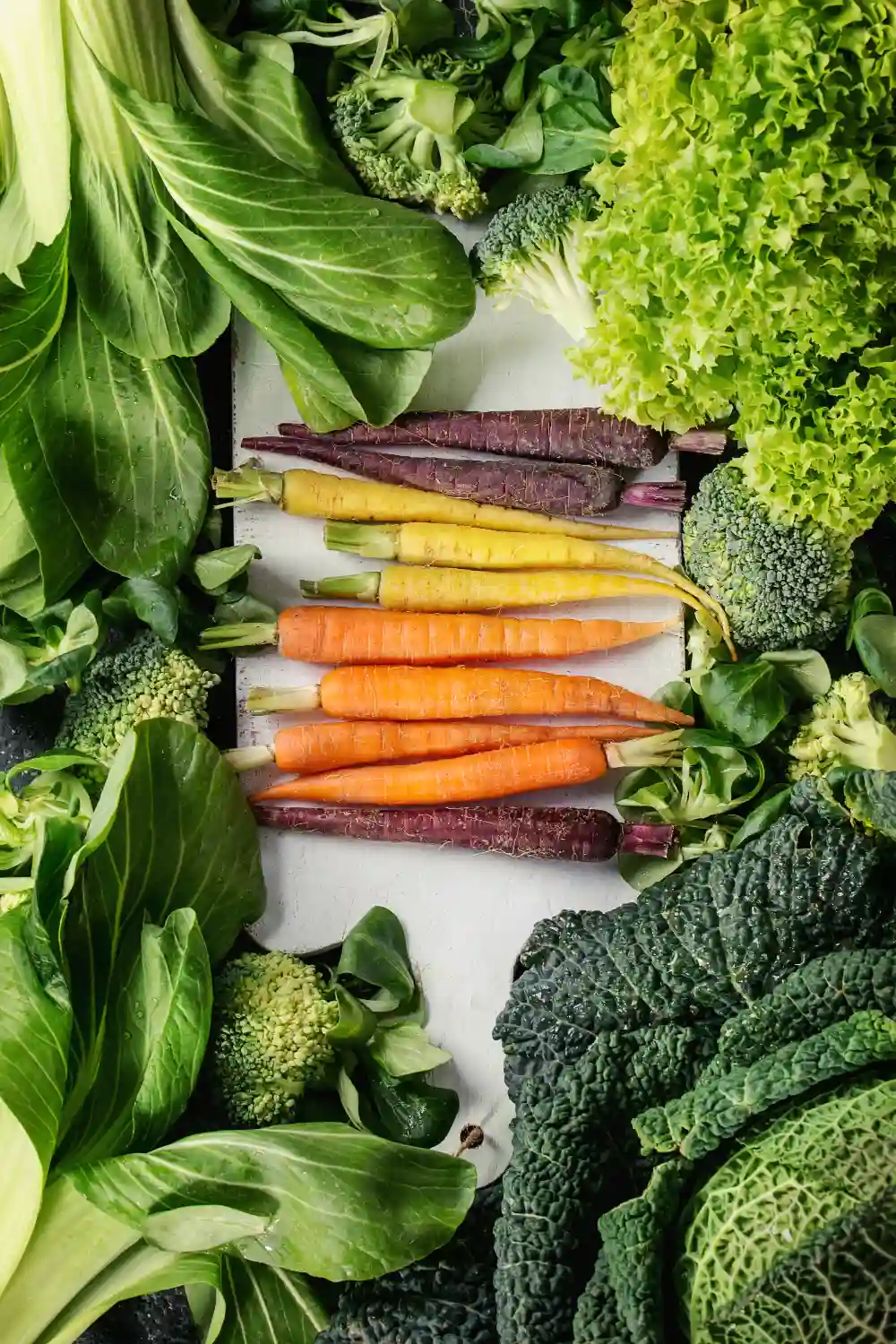
Eating raw amplifies the importance of food quality. When you eat produce uncooked, you consume everything on its surface.
Choosing organic reduces your pesticide exposure at a time when your food is most vulnerable to contamination. Organic food benefits go beyond avoiding chemicals: organic produce is often richer in certain minerals and antioxidants compared to conventionally grown alternatives.
For anyone on a raw vegan diet, prioritising organic where possible is a straightforward step that meaningfully improves the quality of what you eat.
Raw Vegan Diet: Common Questions
Here are the questions people ask most often before starting a raw vegan diet. These platforms like https://www.writemyessay.com/do-my-project support academic success through essays that demonstrate logical progression, detailed research, and professional formatting.
Is the Raw Vegan Diet the Same as a Whole Foods Diet?
They overlap but are not identical. A whole foods diet avoids processed food but may include cooked meals and animal products. The raw vegan diet is more specific: it excludes cooking and all animal-derived ingredients.
Can You Build Muscle on a Raw Vegan Diet?
Yes, with planning. Sprouted legumes, hemp seeds, and pumpkin seeds provide plant protein. Athletes following paleo nutrition principles often emphasise protein timing; the same logic applies here.
How Is the Raw Vegan Diet Different from Paleo Meal Ideas?
Paleo meal ideas include meat, fish, and eggs. The raw vegan diet excludes all animal products. Both reject processed food and refined sugars, but their food lists diverge significantly.
What Should a Beginner Eat in the First Week?
Focus on fruit-based breakfasts, large salads with nuts and seeds at lunch, and blended soups or smoothies in the evening. Keep it simple and build variety gradually.
How Do You Stay Full on a Raw Vegan Diet?
Volume and fat are your friends. Raw plant foods are less calorie-dense than cooked foods, so you need larger portions. Including avocado, nuts, and seeds in every meal helps sustain energy between meals